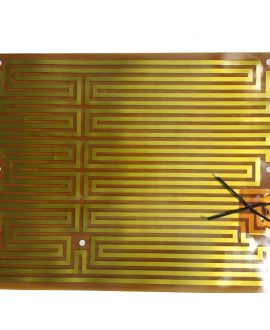
PCB manufacture Polyimide heater description
Quick Details
Applicable Industries:
Medical equipment such as blood analyzers and test tube heaters
Computer peripherals like laser printers
Curing of plastic laminates
Medical equipment such as blood analyzers and test tube heaters
Semiconductor Processing Equipment
Thermal transfer equipment
Medical equipment such as blood analyzers and test tube heaters
after sales service :Overview, Online support, Spare parts
Birthplace:Anhui, China
Brand name:Overview
Dimension (L * W * H):Custom
Key selling points:High accuracy,after sales service,after sales service
Voltages available:personalized
Temperature:-30Overview
Certification:UL, Overview
Power supply:Overview
Condition:New
Supply capacity:50000 pieces / Overview
PCB manufacture and polyamide heater: A complete guide
Understanding the manufacture of PCBs for polyamide heating
The manufacture of printed circuit plates (PCB) Play a crucial role in the production of Polyamide heater, widely used by its flexibility, durability and efficient heat distribution. These heater are ideal for applications that require precise thermal management.
What are polyamide heaters?
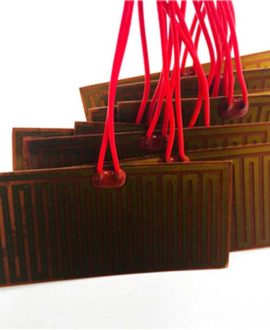
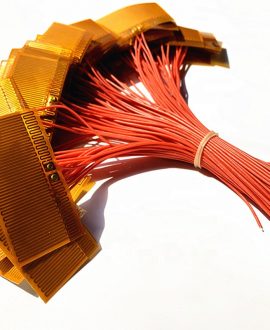
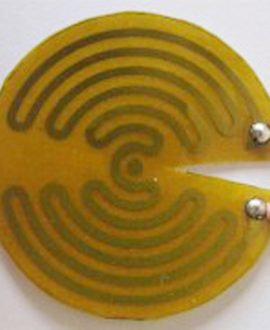
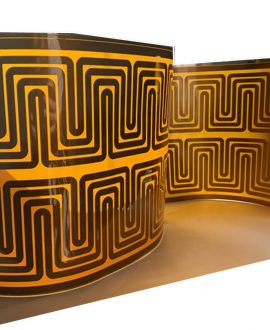
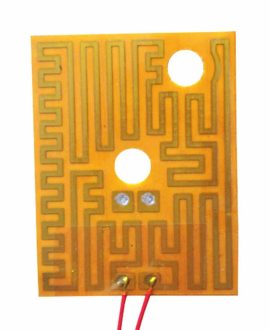
Polyamide heater are heating elements flexible, thin and light, Polyamide film facts. They are commonly used in aerospace applications, Medical and industrial due to their ability to withstand extreme temperatures and adverse environments.
Key benefits of polyamide heater in PCBS manufacturing
Flexibility and thin profile
Unlike traditional heating elements, los Polyamide heater can adapt to irregular forms, which makes them perfect for compact electronic assemblies.
Efficient thermal yield
With rapid heating times and uniform distribution of heat, These heaters improve the reliability of electronic components.
Chemical and moisture resistance
Polyamide films offer excellent resistance to chemicals, humidity and corrosion, ensuring greater durability in hostile environments.
PCBs manufacturing process for polyamide heater
Design and selection of materials
Engineers use Polyamide substrates To create custom heating solutions, according to power requirements and application operating conditions.
Engraving and circuit layout
And Chemical engraving process It is used to create heating circuits in the polyamide layer, ensuring precise temperature control.
Adhesive rolling and isolation
A protective layer on the circuit is laminated to provide insulation and improve mechanical durability.
Polyamide heater applications in various industries
Aerospace and defense
These heaters prevent electronic components from frozen in high altitude environments and guarantee the optimal satellite functioning.
Medical teams
Used in diagnostic instruments and patient care devices, los Polyamide heater They provide stable and controlled heating solutions.
Automotive industry
Automobile manufacturers integrate polyamide heating into heating systems for battery and sensory thaw applications.
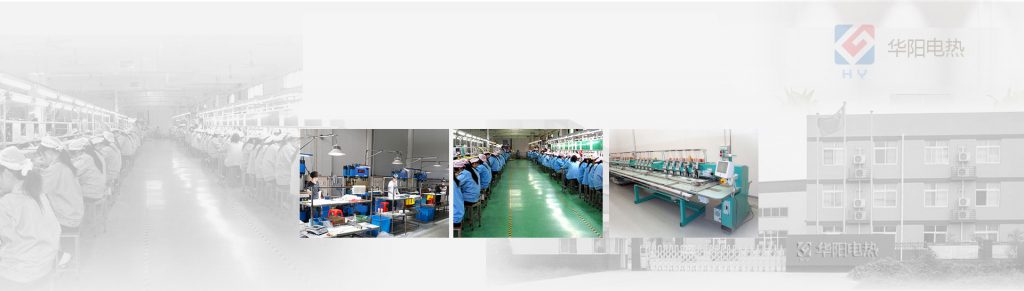
Choose Huayon as the appropriate PCBs manufacturer for polyamide heaters
- Experience in manufacturing flexible PCBs
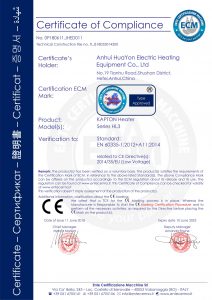
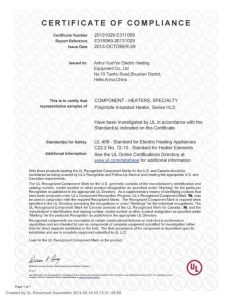
- QUALITY CONTROL CERTIFICATIONS (ISO, UL, etc.)
- Customization capabilities
- Delivery time and production capacity
Future trends in PCBs manufacturing and polyamide heater technology
The advances in Nanotechnology and IoT They are expanding the limits of PCBs with polyamide heaters, making them more efficient and adaptable for emerging applications.
Conclusion
Los Polyamide heater in PCBS manufacturing They are transforming various industries by providing reliable and efficient heating solutions. Either in aerospace applications, Medical or automotive, These advanced heating elements offer exceptional performance and durability. Choosing the appropriate PCBS manufacturer guarantees optimal product and efficiency quality to meet your specific needs.

Product | Pi Heater for Medical Equipment |
voltage range | 1.5в ~ 400в |
Power Density Range | 0.03w/cm2~1.5w/cm2 |
heater size | 10mm~500mm |
Insulation material | Polyimide Film |
heating material | Etched metal foil |
Thickness | 0.15mm~0.3mm |
Temperature range | -30℃–180℃ |
Cable conductor | PTFE, kapton or silicone insulated leads |