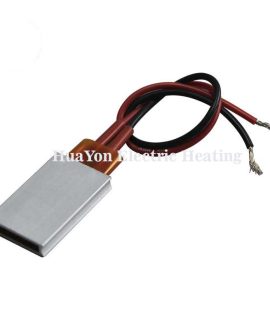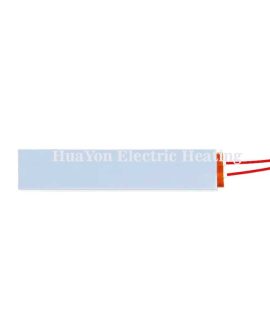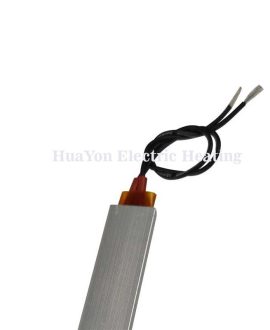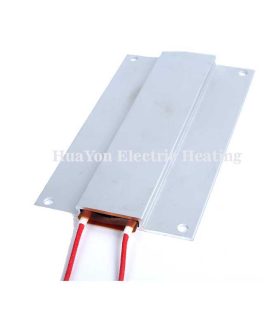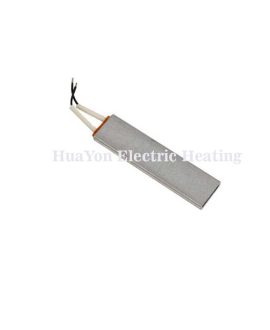
PTC heating device description
Type:PTC HEATER
Power source: electric
Voltage:12-220V
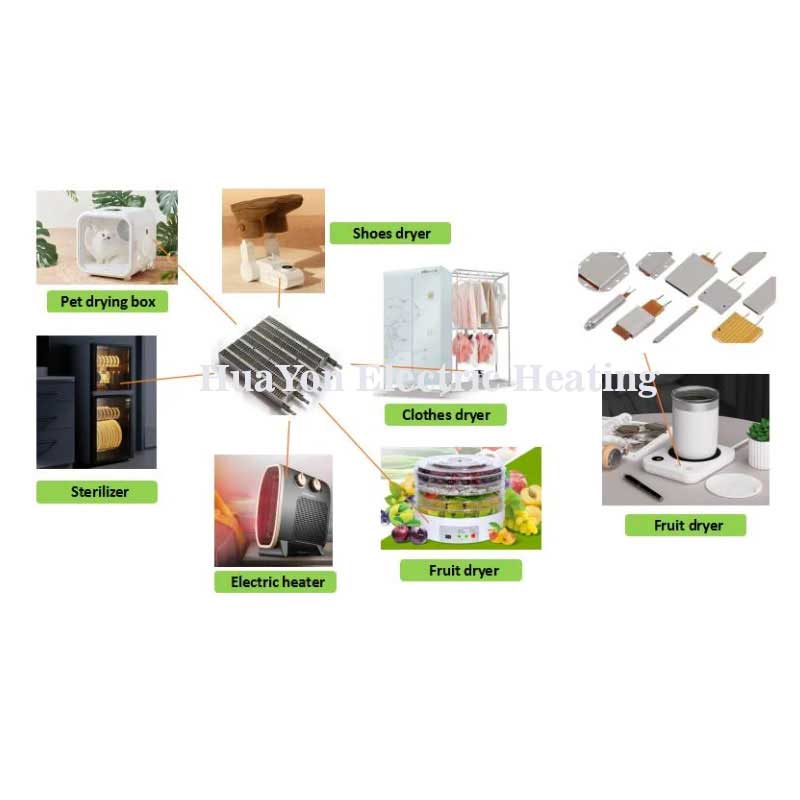
Car seat warmers
space heaters
Appliances (for instance, hair dryers)
Medical devices
Battery heaters
air conditioning systems
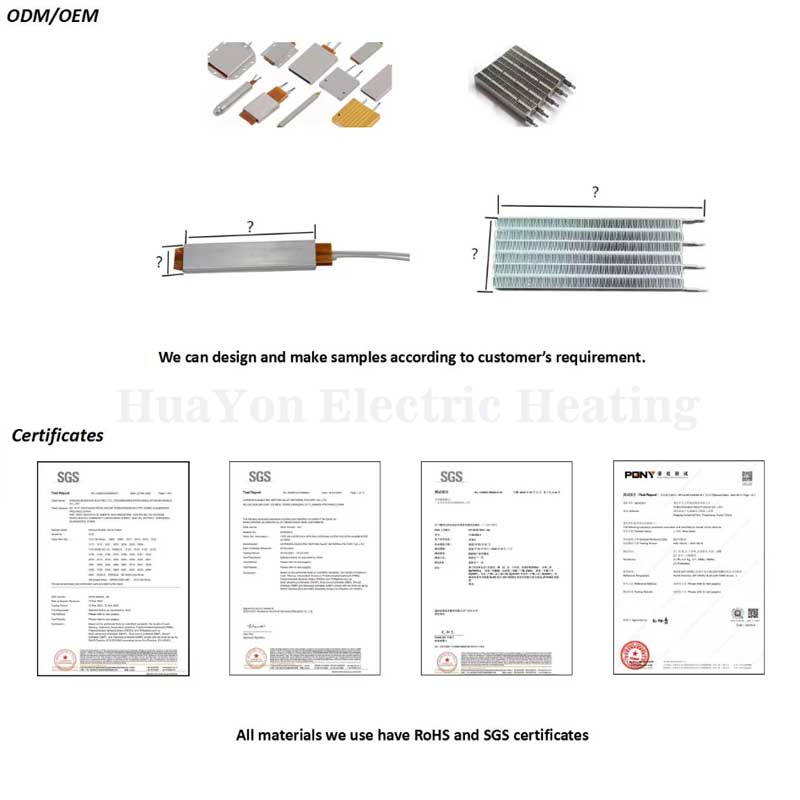
Type: PTC heating element
Size:50*28.5*5mm
heating material: PTC ceramic
Case material: aluminum casing
insulating material: Capt (polyimide film)
Product name: PTC (positive temperature coefficient)
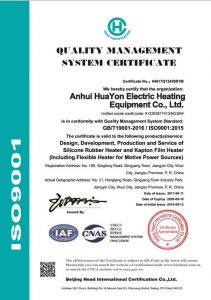
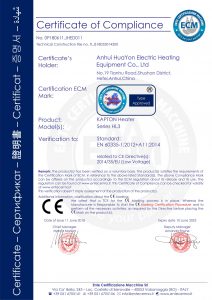
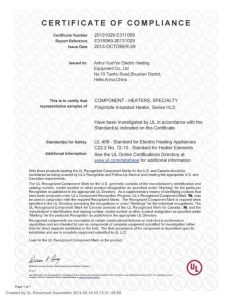
Certification:UL, Overview
Power supply:Overview
Condition:New
Supply capacity:500000 pieces / Overview
PTC heating devices (positive temperature coefficient) have become increasingly popular due to their efficiency, safety and durability. These innovative heating systems are widely used in various applications, from home heating appliances to industrial equipment. In this guide, We will cover everything you need to know about PTC heating devices, Their advantages and why they are an excellent option for efficient heating.
What is a PTC heating device?
A PTC heating device uses PTC ceramic materials that increase in resistance as the temperature increases.. Unlike traditional heating elements, that can overheat, PTC heaters are self-regulating. When the temperature exceeds a certain point, resistance increases, which reduces current flow and stabilizes heat output. This self-regulation ensures energy efficiency and adds an additional layer of security.
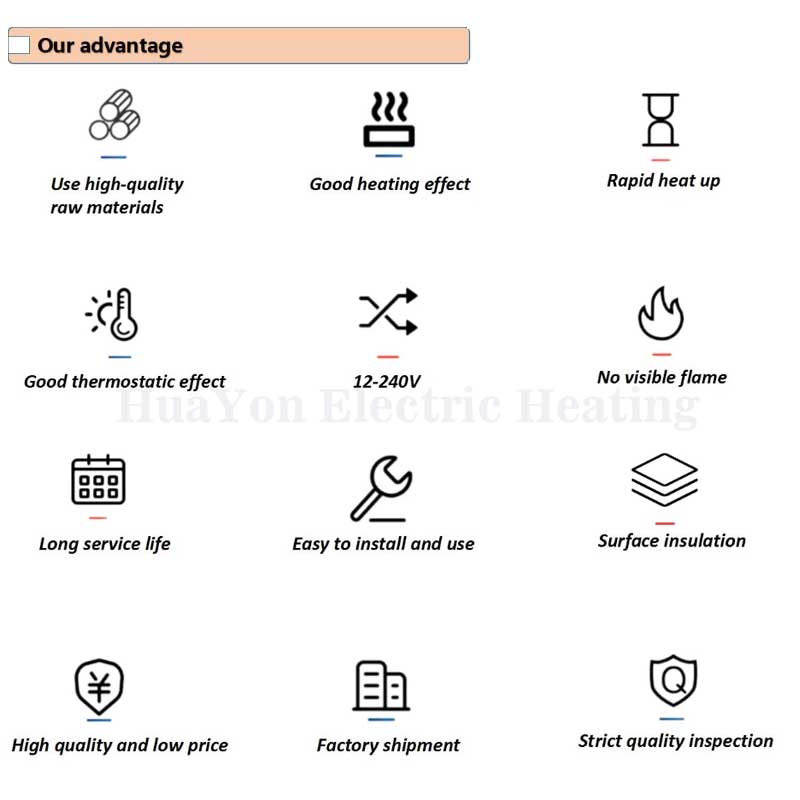
Benefits of PTC heating devices
Energy efficiency
PTC heating devices are known for their excellent energy efficiency. As they reach the desired temperature, automatically reduce energy consumption, making them a cost-effective solution for maintaining consistent heat.
Security
One of the most notable features of PTC heaters is their self-regulating nature.. They are less likely to overheat, reducing the risk of burns and fire hazard. This makes them an ideal option for homes with children or pets..
Durability and longevity
Ceramic materials used in PTC heaters are durable and wear-resistant, resulting in longer lifespan compared to traditional heating elements.
Fast heating
PTC devices heat up quickly and maintain a stable temperature. This rapid heat generation ensures that rooms or appliances heat up faster, saving time and energy.
Low maintenance
PTC heaters require minimal maintenance due to their robust construction and self-regulating capabilities.. This makes them a hassle-free option for both home and industrial use..
Common Applications of PTC Heating Devices
Room heaters: PTC heating elements are widely used in portable space heaters, that provide efficient and safe heat for living spaces.
Automotive industry: many vehicles use PTC heaters for cabin heating and defrosting applications, which guarantees rapid and constant temperature regulation.
Medical devices: PTC elements are used in medical equipment, providing safe, controlled heating for sensitive applications.
Appliances: PTC heaters are commonly found in hair dryers, electric kettles and other small appliances due to their safety and efficiency.
Industrial heating: in industrial environments, PTC heating devices are used for processes that require precise temperature control, as in plastic drying or welding systems.
How PTC heating devices work
PTC heating devices work using a specialized ceramic material. As the electric current passes through the ceramic, generates heat. The resistance of the material increases with temperature, causing a drop in current as the device heats up. This creates a built-in security mechanism, which prevents overheating and makes the device energy efficient. Next, a breakdown of the process is shown:
cold state: low resistance allows high current flow, which generates rapid heating.
Warm-up phase: as the temperature increases, resistance also increases, which reduces the current.
Steady state: when the desired temperature is reached, resistance stabilizes and maintains temperature without excessive energy use.
Product | PTC heater |
voltage range | 12v~240V |
heating material | PTC ceramic |
Case material | aluminum casing |
insulating material | Capt (polyimide film) |
heating material | Etched metal foil |
| Power supply | Overview |
| Birthplace | Porcelain |
Cable conductor | PTFE, kapton or silicone insulated leads |